12 May 2026
Resin and block paving are the two most-asked-for residential driveway finishes in Surrey, and the conversation usually starts the same way: which one is better? The honest answer is neither — it depends on the property, the use, and what you want the drive to look like in five years.
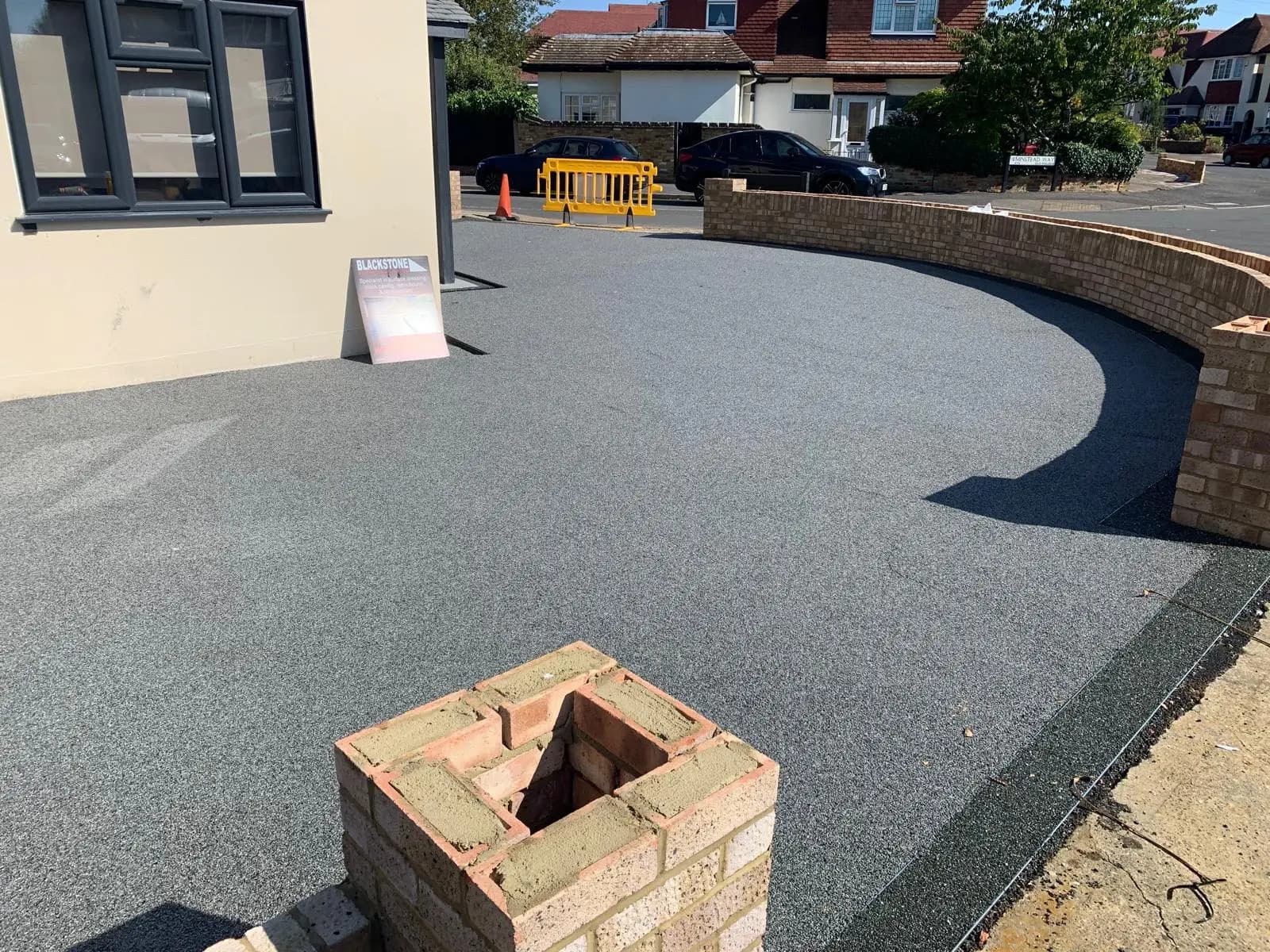
Resin bound — actual resin, not the loose resin-bonded surface that goes scruffy fast — is laid as a slurry over a permeable base and trowel-finished. It's seamless, drains through itself, and meets SuDS rules without any extra drainage. It looks contemporary, handles foot traffic and normal cars, and needs almost no maintenance beyond a sweep.
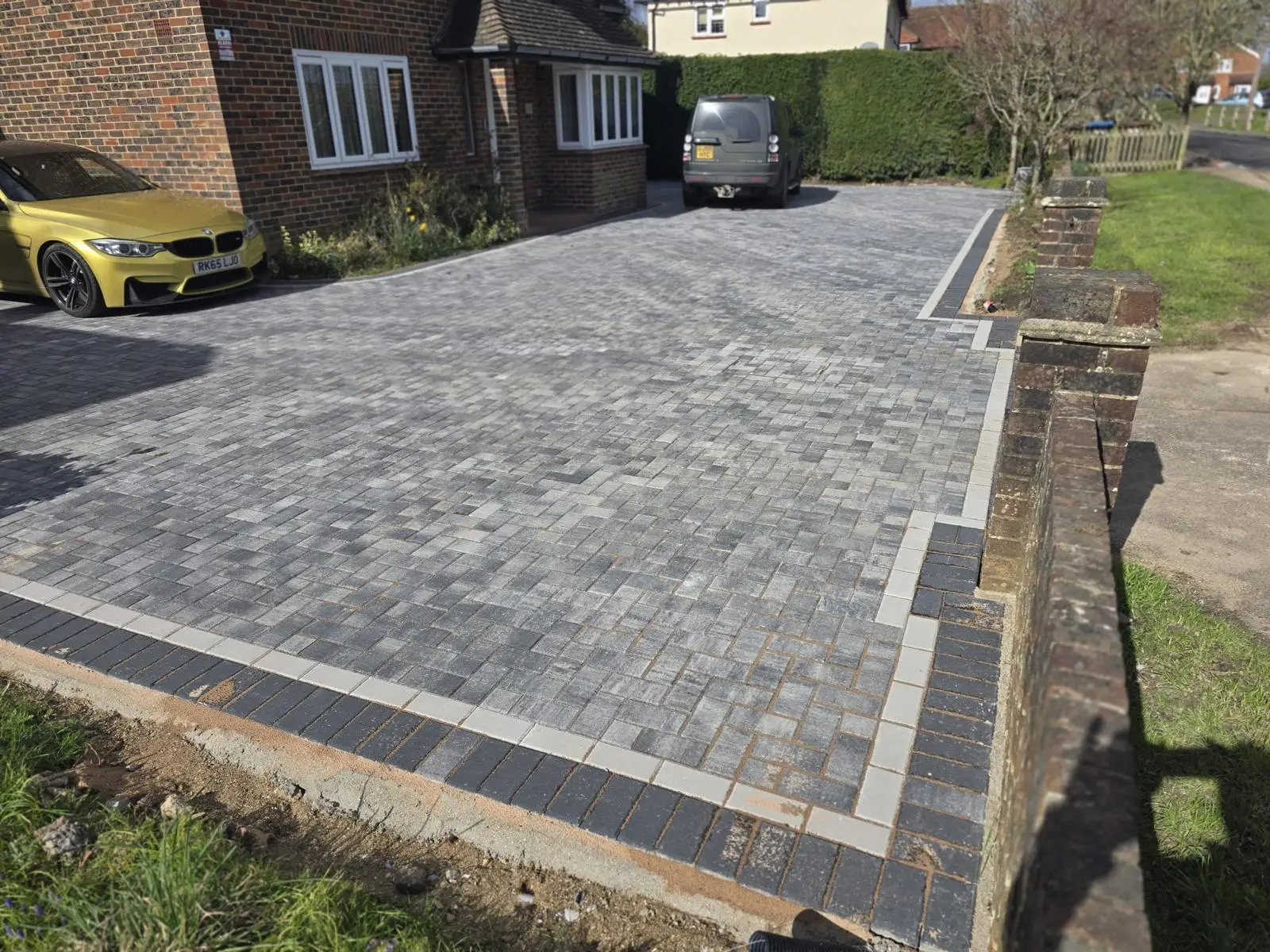
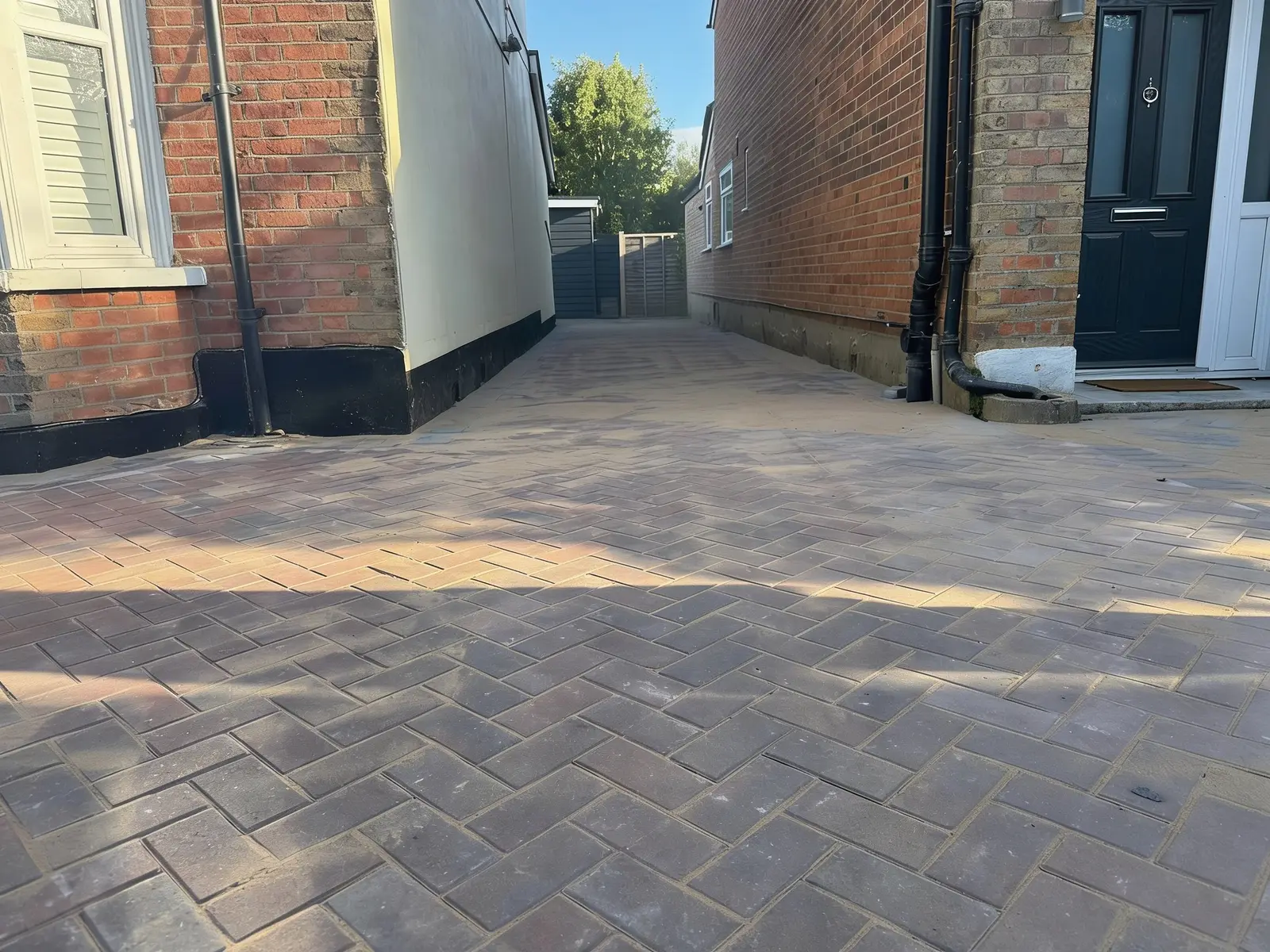
Block paving is laid stone-by-stone on a compacted base with kiln-dried sand joints. It's the more traditional look and it's the better choice if your driveway takes occasional point loads — a skip, a removal lorry, a caravan jack. The other big advantage is repairability. A single block can be lifted and replaced; a damaged section of resin needs a patch that is, frankly, never quite invisible.
Cost-wise the two are closer than people expect. Per square metre, a well-built block paving driveway lands within 10% of a well-built resin one. Where the prices diverge is on the prep: if the existing sub-base is failing, both materials need that fixing first, and that's where the real budget goes.
Our rule of thumb: if you have a period property and use the drive for heavy or shared parking, block paving usually wins. For modern or contemporary properties with normal car traffic, resin tends to be the easier long-term choice.