18 April 2026
Since the General Permitted Development Order 2008 was amended, any new or replacement driveway over 5 square metres in front of a UK property must either use a permeable surface or drain into a soakaway on the property's own land. The aim is simple: stop driveways from dumping surface water onto roads and overloading drains.
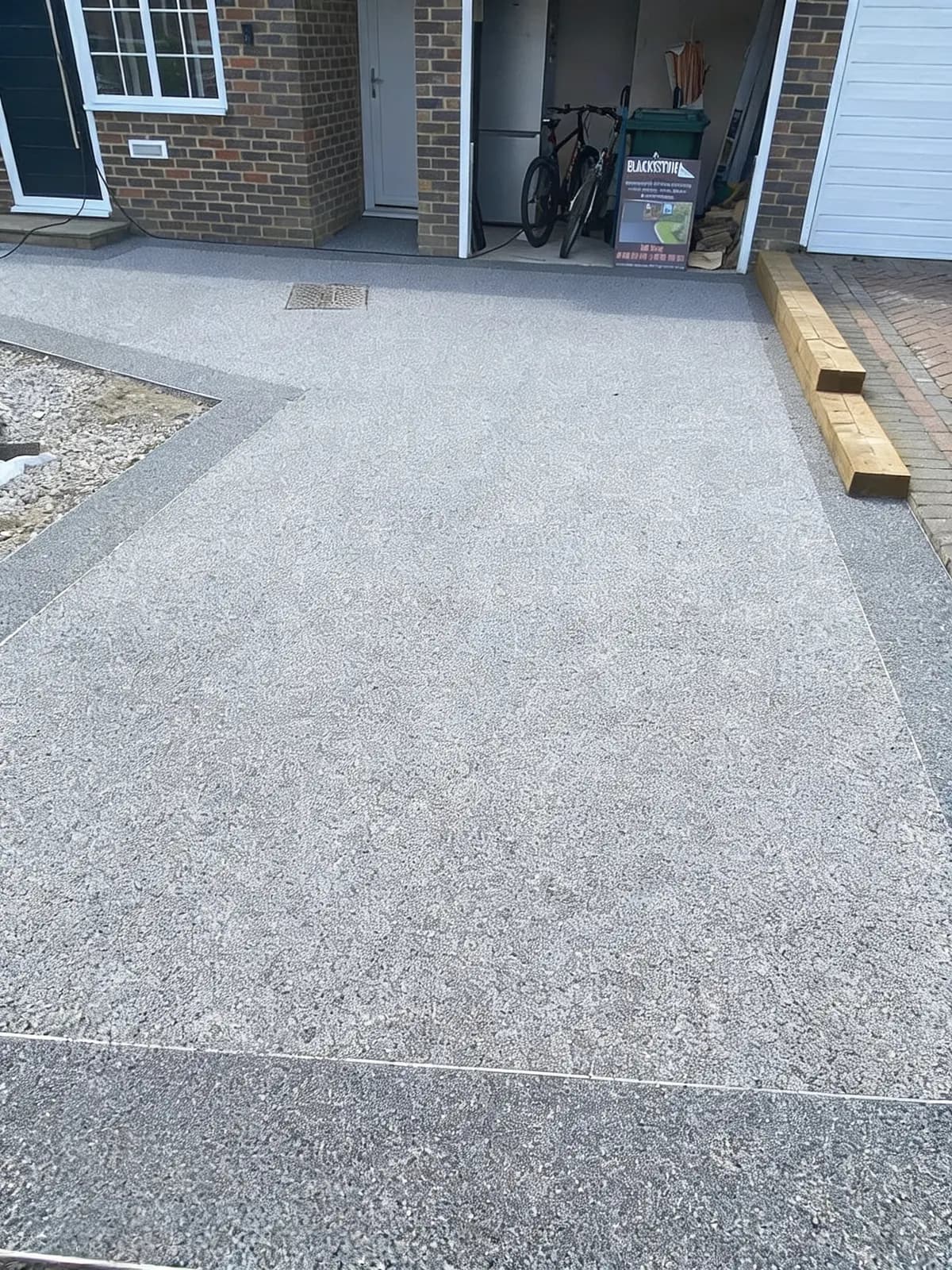
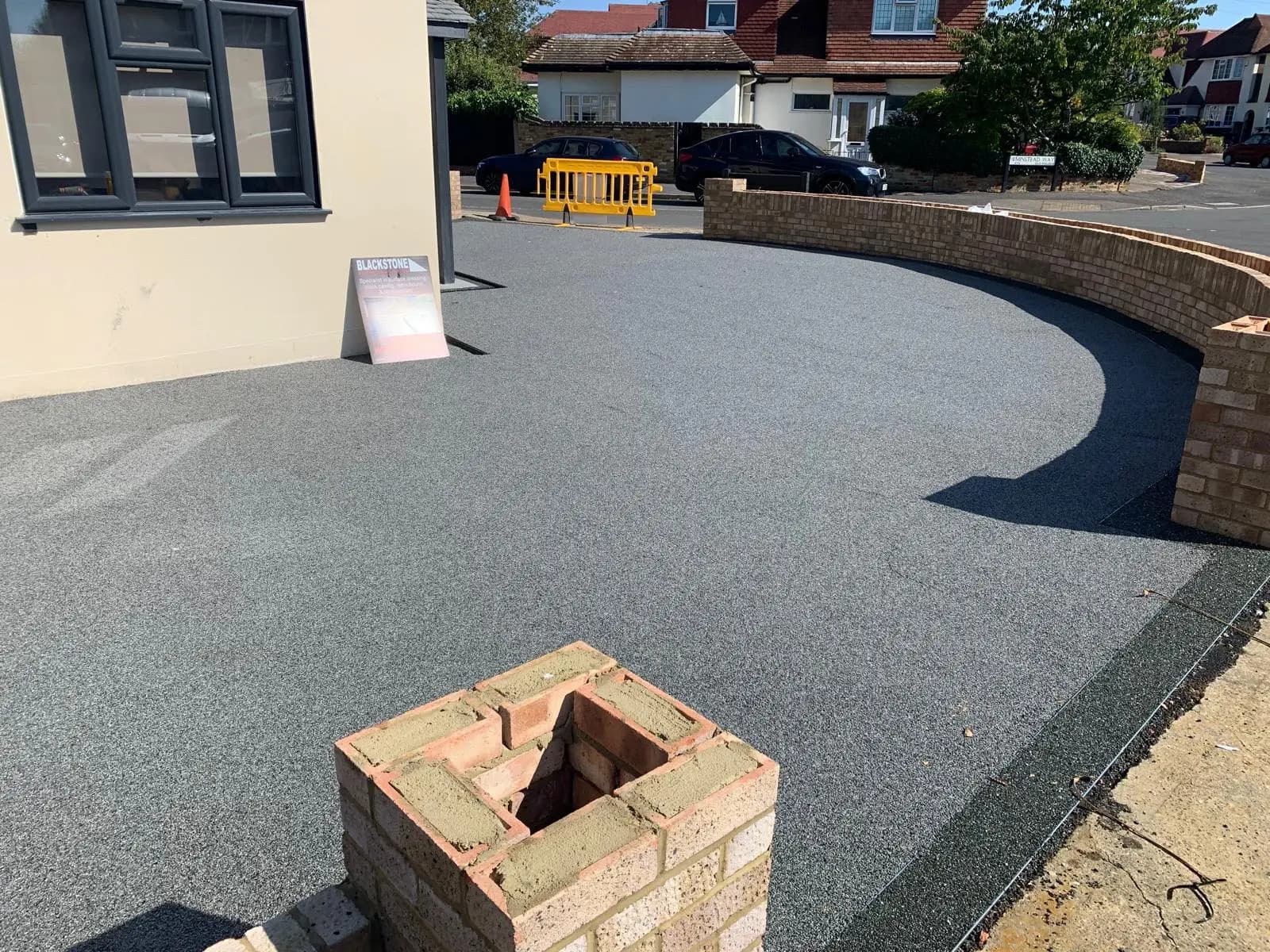
In practice, that affects the material you can put down without planning permission. Resin bound on a permeable sub-base is compliant out of the box — water passes straight through and into the ground. Loose gravel on a permeable base is also fine.
The materials that aren't naturally compliant — tarmac, concrete, traditional block paving on bedding sand and a closed sub-base — can still be used, but you need to design drainage in. That usually means a soakaway pit on the property, a permeable strip along the edge, or directing the runoff to a planted bed. Skip this and you're technically in breach and might need a planning application.
How seriously is this enforced? In residential settings, almost never proactively. But it can come up if a neighbour complains, if you sell the property and a buyer's solicitor asks, or if your insurer reviews flood claims. We design every quote to be compliant by default — it's cheaper to do it right than to retrofit a soakaway later.